

Navigating Postpartum Mood Swings: Effective Strategies for New Mothers
Your emotions are valid, and seeking support is a sign of strength, not weakness.
Postpartum mood swings are common but manageable. Learn practical strategies to maintain emotional balance during this transformative time.
Becoming a new mother is a joyous experience, but it's also accompanied by significant hormonal changes that can lead to mood swings. Many women experience emotional ups and downs in the weeks and months following childbirth. Understanding these changes and implementing effective strategies can make a world of difference in your postpartum journey.
Understanding Postpartum Mood Changes
The postpartum period brings dramatic shifts in hormone levels, particularly estrogen and progesterone, which can affect your mood regulation. These changes, combined with sleep deprivation, physical recovery, and the demands of caring for a newborn, can create a perfect storm for emotional fluctuations.
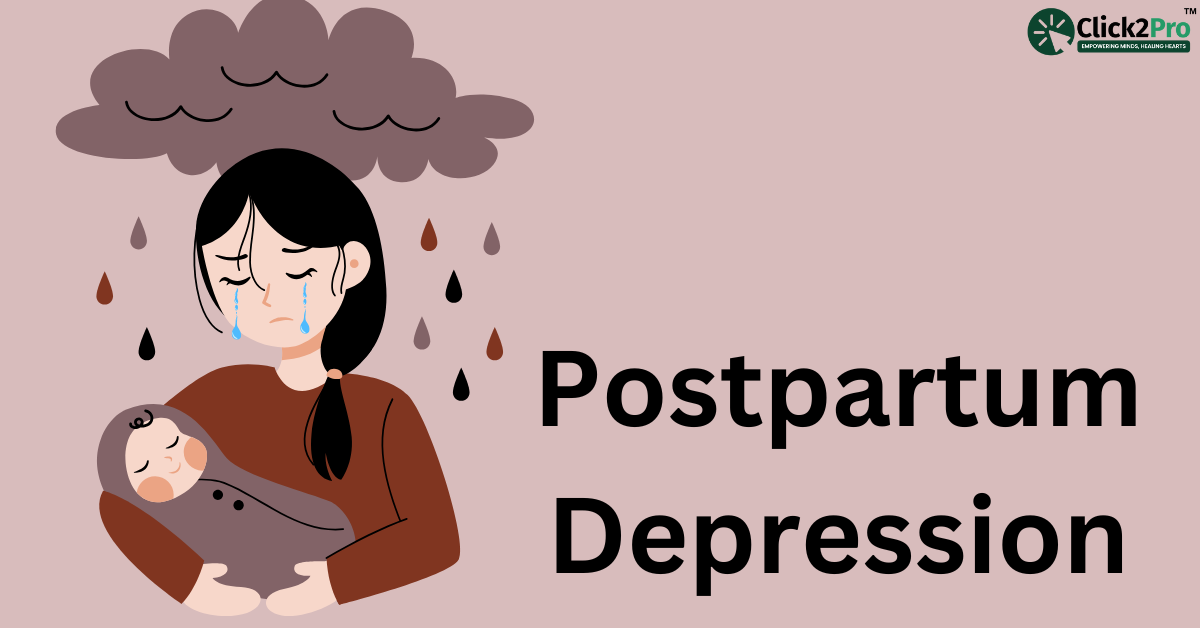
Common Emotional Challenges
- Baby Blues: Mild mood swings lasting about two weeks after delivery
- Postpartum Anxiety: Excessive worry about the baby's health or your ability to care for them
- Postpartum Depression: More severe symptoms that require professional help
Practical Strategies for Emotional Balance
Here are some effective strategies to help you navigate these emotional challenges:
1. Prioritize Self-Care
Even small acts of self-care can make a big difference. Try to get short naps when your baby sleeps, eat nutritious meals, and take short walks when possible. Remember, taking care of yourself helps you take better care of your baby.
2. Build a Support Network
Don't hesitate to reach out to family, friends, or other new mothers. Joining a postpartum support group can be incredibly validating. Hearing that others are experiencing similar challenges can reduce feelings of isolation.
3. Practice Mindfulness and Relaxation Techniques
Simple breathing exercises or guided meditations designed for new mothers can help calm your mind. Even 5-10 minutes a day can help you feel more centered and reduce anxiety levels.
4. Maintain a Routine
While life with a newborn is unpredictable, establishing some basic routines can provide a sense of stability. Consistent sleep and meal times, even if flexible, can help regulate your body's internal clock.
When to Seek Professional Help
It's important to recognize when mood changes might indicate something more serious. If you experience persistent sadness, difficulty bonding with your baby, thoughts of harm, or severe anxiety that interferes with daily functioning, reach out to your healthcare provider immediately.
Many women benefit from talking to a therapist who specializes in postpartum mental health. Medication can also be an effective treatment option for some women, and it's important to remember that seeking help is a sign of strength and love for both yourself and your baby.
Partner and Family Support
Your partner and family members play a crucial role in supporting your emotional well-being. Encourage open communication about how you're feeling and what kind of support would be most helpful. Sometimes, they might notice changes in your mood before you do and can gently encourage you to seek help.
Long-term Emotional Health
Remember that your emotional health is just as important as your physical health. The postpartum period is temporary, but the strategies you develop for managing stress and maintaining emotional balance will serve you well throughout motherhood and beyond.
Be patient and kind to yourself during this time. You're not just adjusting to motherhood – you're also recovering from a major physical and emotional experience. Give yourself grace and remember that it's okay to ask for help.
"Motherhood is a marathon, not a sprint. Take it one day at a time and celebrate the small victories along the way."
By implementing these strategies and being attentive to your emotional needs, you can navigate the postpartum period with greater confidence and emotional resilience. Remember, you're not alone in this journey, and there are many resources available to support you.